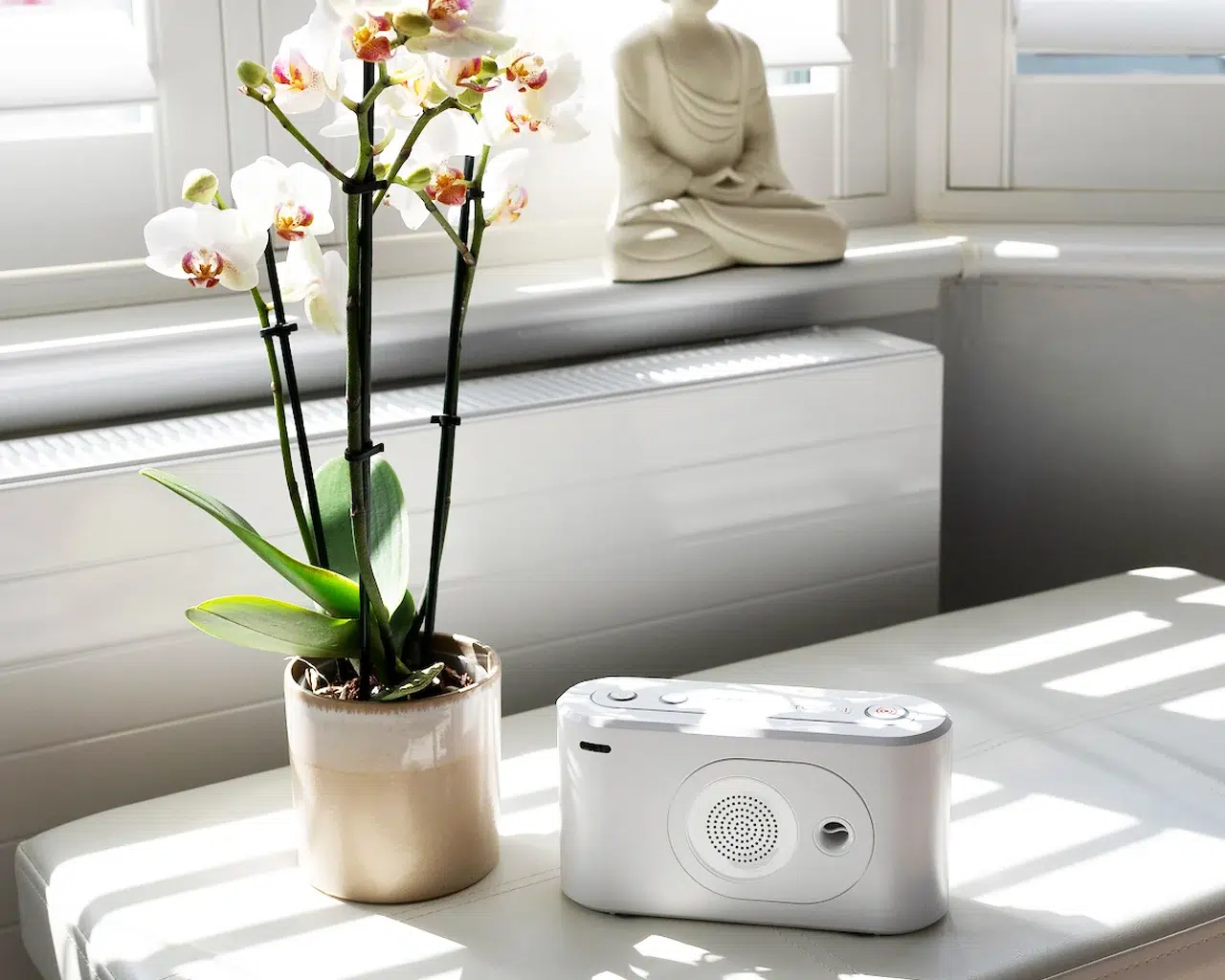
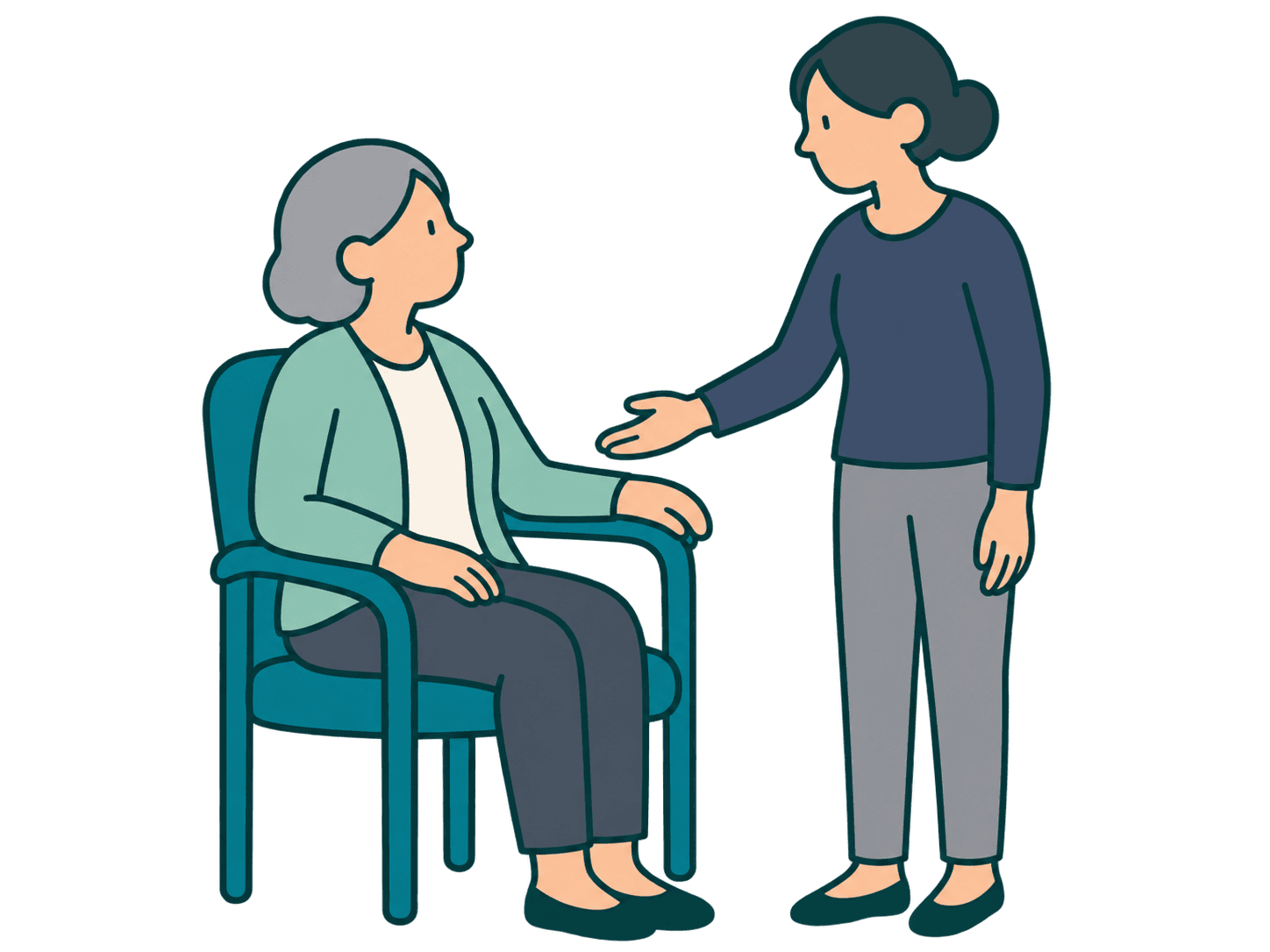
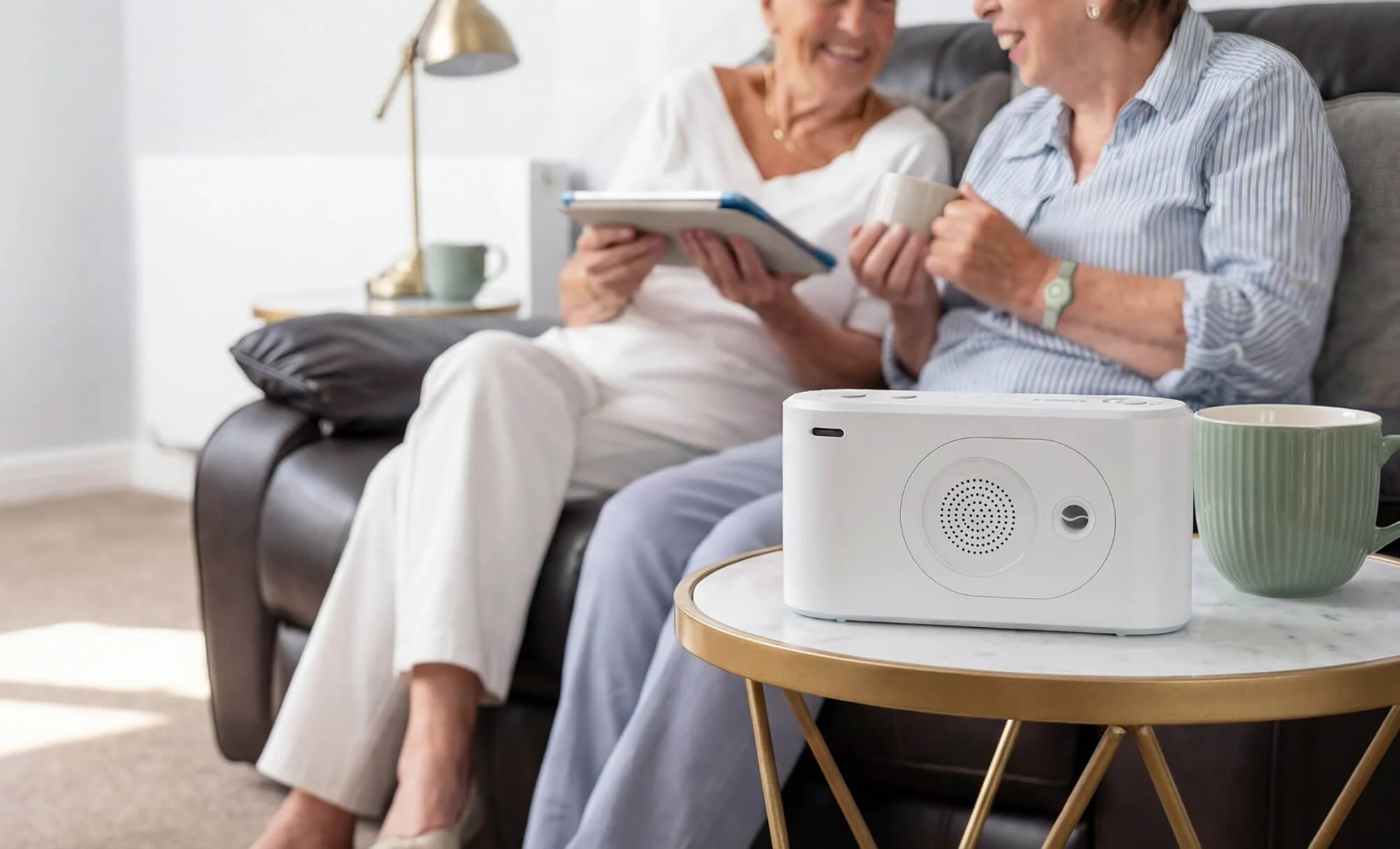
A Lifeline Digital home alarm on a coffee table with people seated behind it

Tunstall

Lifeline alarms with real people ready to respond

Feel safe and supported, with a real person available at the press of a button.

Choose your plan

Stay Safe. Stay Independent. At home and on the go.

Choose how to pay
Price display
Popular
An older couple together outside their home

Stay Independent:

Location-Tracking Smart Watch

24/7 support at home and on the go.

Monthly service

£32.40 / month

Including VAT

Pay today: £74.40 inc VATIncludes £32.40 first month’s service + £42 one-off setup feeThen £32.40 monthly from month 2
  • Two-way speech through the watch
  • Battery life typically 2–5 days, depending on use
  • Connection to our 24/7 response centre
A woman spending time at home with a personal alarm

Only need help at home?

Wearable Falls Detector

24/7 support at home, with the option to add more devices to suit your needs.

Monthly service

£23.94 / month

Including VAT

Pay today: £65.94 inc VATIncludes £23.94 first month’s service + £42 one-off setup feeThen £23.94 monthly from month 2
  • Includes a wearable falls detector
  • Works even if you don’t press button
  • Connection to our Yorkshire-based response centre

Prices are shown for the selected billing period. Optional extras and engineer installation are itemised in checkout. Read the terms.

Equipment and service information

Stay Independent

Keep the watch charged. Mobile reception, location accuracy and battery life depend on use and surroundings.

Fall detection cannot detect every fall. Use the manual alarm button when you can.

Stay Safe

Fall detection cannot detect every fall. Press the alarm button whenever you need help and can do so.

Home coverage and setup must be checked before you rely on the service.

Wearable falls detector

Faster response when it matters most

Our Wearable Falls Detectors connect people to our UK response centre. Live confidently and independently at home with 24/7 support whenever you need it.

  • Wearable detector, sensor and alarm all connect through a home unit
  • Connection to our Yorkshire-based response centre
  • Faster response when you need it
  • Live at home for longer
  • Works even if you don’t press button
A Lifeline Digital home alarm beside a window

How it works

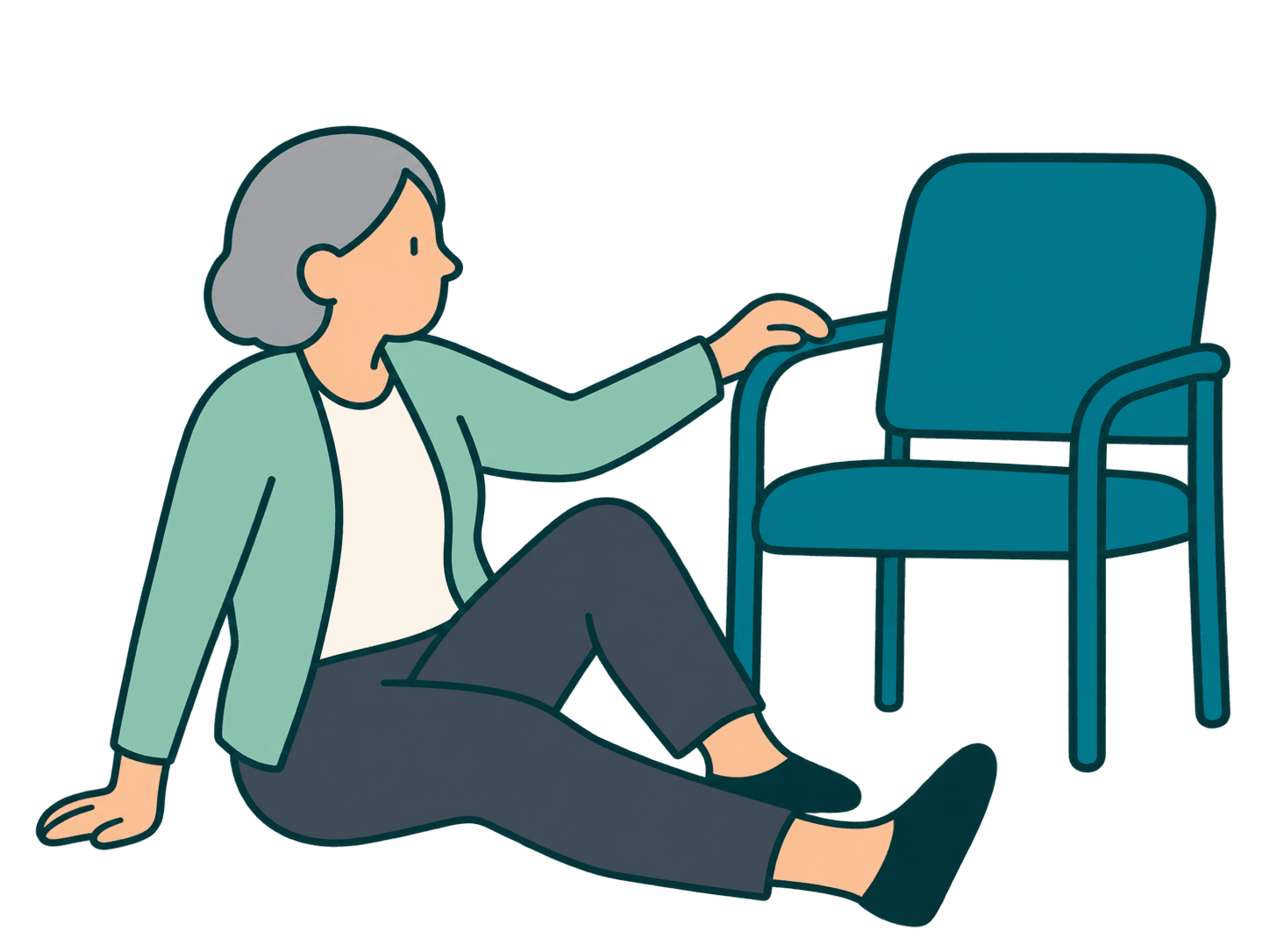
How Stay Safe responds to a fall at home

Your wearable fall detector can raise an alert through the Lifeline Digital home unit when it recognises a fall.

  1. Fall occurs

    A fall is detected at home

    If your wearable fall detector recognises a fall, it can raise an alert automatically. Press its alarm button whenever you need help and are able to do so.

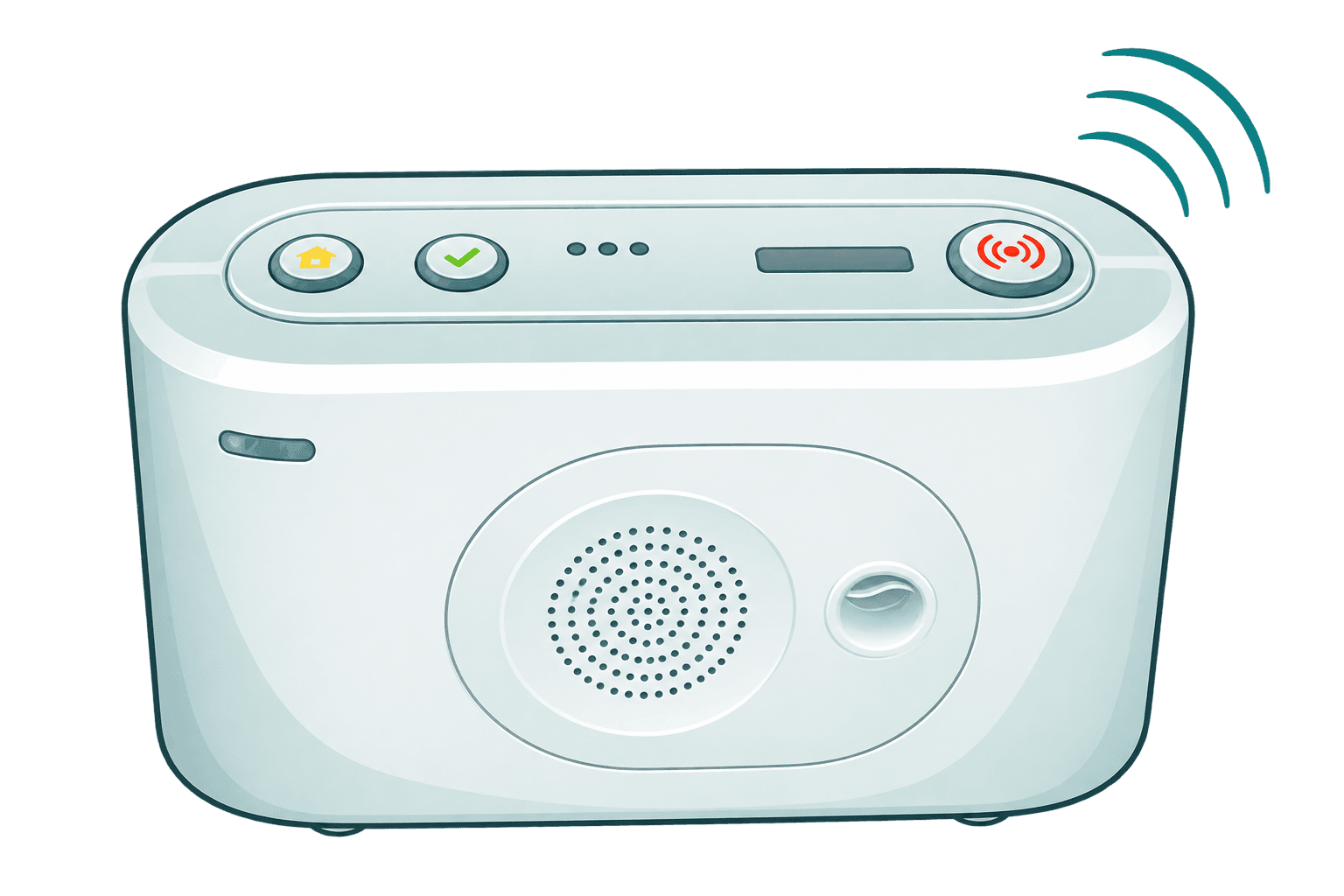
  2. Alert sent

    Lifeline Digital sends the alert

    The wearable connects through the home unit to our 24/7 response centre. The home unit needs power and a working connection.

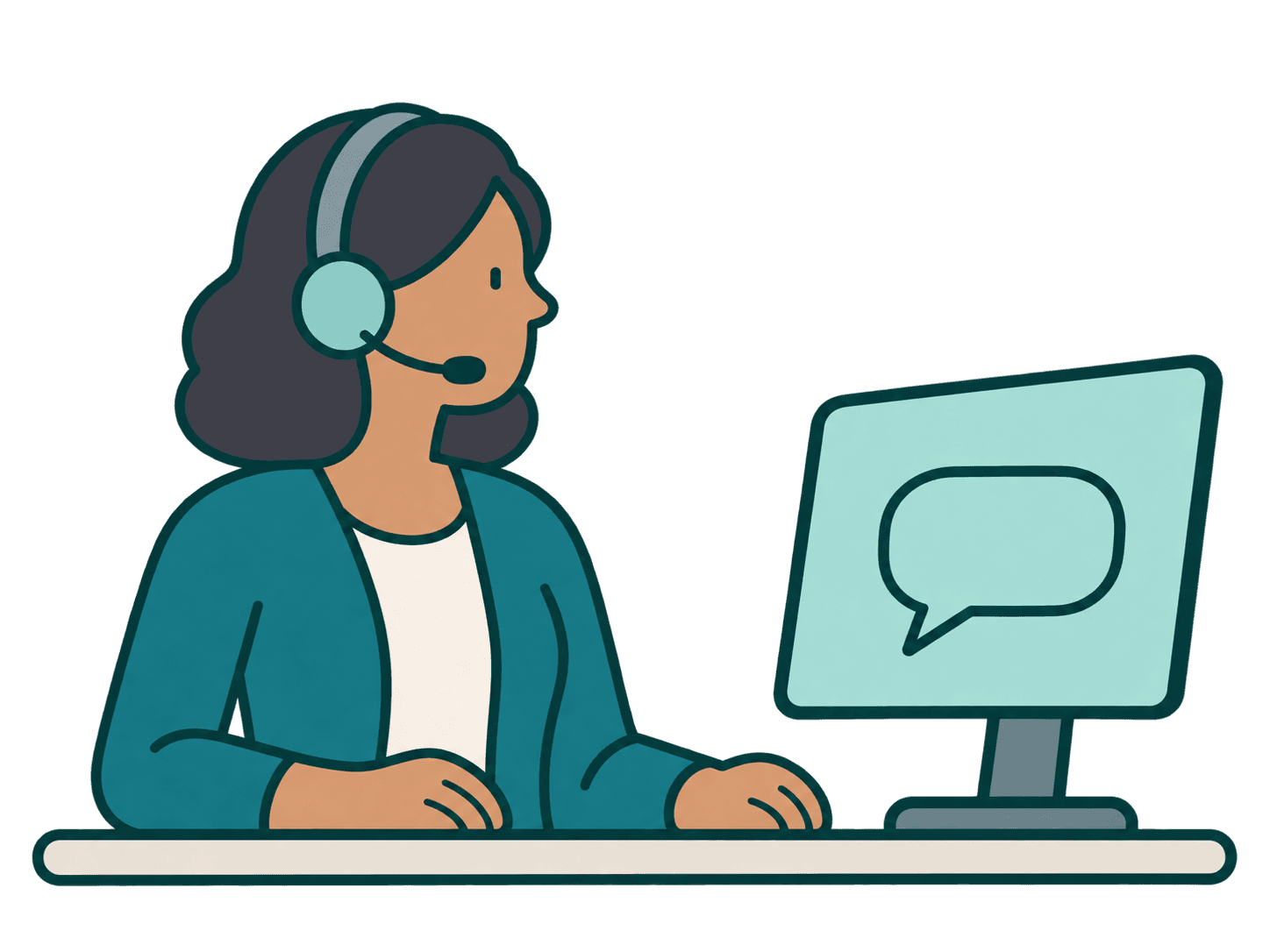
  3. Operator responds

    An operator responds through the home unit

    The operator tries to speak with you through the home unit’s microphone and speaker to understand what has happened.

  4. Help dispatched

    Help is arranged at home

    The operator assesses the alert and can contact nominated family, a neighbour or emergency services where needed. Who is contacted depends on the circumstances and the service information held.

No fall detector detects every fall. Press your alarm button whenever you need help and are able to do so. Help is arranged according to the situation; emergency services are contacted when appropriate. No fixed attendance time is promised.

About the home alarm

A home unit connects a wearable alarm to a response centre. Pressing the wearable’s button or raising a detected fall alert allows the response team to try to speak with the person through the home unit. Tunstall was founded in 1957 and has a long history in UK telecare.

The home unit is not an away-from-home alarm. Keep it plugged in and follow its setup and care instructions. Automatic fall detection cannot detect every fall. Press your alarm button whenever you need help and are able to do so. Wear, charge and connect your equipment as instructed.

Compare personal alarm options for yourself or a relative.

Council services and private alarms

Some people receive an alarm through a council, housing provider or another care service. Their eligibility, equipment, charges and response arrangements may differ from a private subscription.

Check whether you qualify for council support, what waiting time applies and which equipment is offered. If you are considering a private alarm while waiting for a service, or prefer to compare equipment and payment choices, ask both providers how the arrangements differ. A private alarm is not a substitute for an assessed care plan.

If you already have a service, check its terms and speak with the provider before changing anything. A Tunstall-branded device does not by itself establish which organisation monitors it or whether it can be transferred.

Our team can explain the private package offered here. Agree continuity of monitoring and test the new arrangement before disconnecting an existing alarm.

Choose to add support

Add home sensors and smoke detectors if needed

Speak to our UK based team about a range of additional products and support services.

Motion sensors

Smoke detectors

Flood detectors

Heat Alarms

Equipment and installation options

Review the currently available extras in the basket. Charges and installation requirements are shown before payment.

Additional fall detectors

You can add another fall detector to your order, separate from the detector included with the main plan. Tell us who will use it and follow the fitting instructions for each device.

Monitored smoke detectors

The online basket offers a pair of monitored smoke detectors. They require engineer installation; the equipment and installation charges are itemised before payment.

Engineer installation

Choose an engineer visit where available if you would like help installing the main plan. An engineer visit is required for the smoke-detector pair. Installation charges and requirements are shown in checkout before payment.

Other home sensors

For help with other risks around the home, speak with our team about your needs. Sensors are additional equipment, and suitable options depend on the home alarm and service.

Customer information

Frequently asked questions

Is this the same as a council lifeline?

Lifeline is often used to describe a community alarm. The equipment, monitoring provider, eligibility and charges can differ. This website offers a private Tunstall package; check any council arrangement separately before changing it.

Can I switch from my council alarm?

Speak with the council or current provider and our team before ordering or disconnecting equipment. Check cancellation and equipment-return requirements, agree how support will continue and test the new service before ending the old arrangement.

Do I need a landline?

Lifeline Digital supports mobile and broadband connections, and Lifeline Digital Core does not need a traditional landline. The home unit needs a suitable connection to reach the response centre. Keep any existing alarm connected until the new service is ready and tested.

More product questions
What happens if I fall?

If the supplied fall detector recognises a fall, it raises an alert to our response team. An operator will try to speak with you, assess what has happened and arrange appropriate help. That can involve nominated contacts or emergency services. Automatic detection cannot identify every fall; press the alarm button yourself whenever you need help and are able to do so.

What happens if I cannot press the button?

Automatic fall detection provides another way to raise an alert when a fall is detected. It cannot guarantee an alert for every fall or every situation where someone needs help. Wear and use the device as instructed, and press the button whenever you can. Discuss any needs that may affect use of the alarm with our team before ordering.

What if I accidentally activate the alarm?

Stay on the call and tell the operator that you are safe and the alert was accidental. The team can check that help is not needed. Do not ignore an answered alarm because it was raised by mistake.

What happens in a power cut?

Lifeline Digital has a backup battery offering up to 72 hours of support during a power cut. Battery condition, settings and use affect how long it lasts. The alarm still needs a working connection, and a broadband router may lose power separately. Keep the home unit plugged in during normal use. Its backup battery is separate from the wearable’s battery and the rechargeable Ally watch.

How long do the home unit and wearable batteries last?

The home unit normally runs from mains power and has its own backup battery. The wearable has a separate battery, so its battery life is different from the home unit’s backup time. Follow the care instructions for each device. If you receive a low-battery warning or need help with a replacement, contact our team.

Do I need broadband or a landline?

Lifeline Digital supports mobile and broadband connections. Lifeline Digital Core can work without a traditional landline. A mobile connection needs suitable reception, while a broadband connection depends on your home router. Connection and coverage are checked during setup so the alarm can reach the response centre.

How far can the wearable be from the home unit?

Walls, the layout of your home and the home unit’s position can affect the wearable’s range. Test the alarm in the rooms, garden and other areas where you plan to use it. Check both that an alert reaches the response centre and that you can speak with the operator through the home unit.

Will the operator hear me from every room?

With the home alarm, you speak through the home unit’s microphone and speaker, rather than through the wearable. Being within radio range does not mean speech will be equally clear from every room. Check alarm coverage and two-way speech in the places you use, including any hearing or speech needs. Ally has its microphone and speaker in the watch, subject to a working connection.

Can I wear the alarm in the shower or bath?

Follow the wearable’s care and wearing instructions before using it in a shower or bath, and keep the home unit away from water. Ally is IP67 water and dust resistant, but that rating does not make it suitable for swimming or every water activity. The home unit and wearable have different water-resistance ratings.

How quickly can I get set up?

Choose from the delivery and setup options available when you order. Self-setup includes phone support, and an engineer visit is available in supported areas. Any installation charges are shown before payment; smoke-detector pairs require engineer installation. Provide the service user’s details and nominated contacts, follow the setup instructions and complete an alarm test once monitoring is ready. Our team can help with delivery dates and appointments.

What happens if I lose or damage my device?

Contact our service team, explain which device is affected and have your customer reference available if possible. Ask about a replacement, any charge and the expected timescale before agreeing to proceed. The reason for replacement and your contract affect the arrangements. Discuss how to obtain help while the equipment is unavailable, and do not rely on a damaged device as though it has been checked.

What is telecare?

Telecare combines equipment, a connection and a response arrangement to help someone ask for support at home. Depending on the service, a wearable button or compatible sensor raises an alert and a monitoring team can assess it. It can support independent living alongside an existing care plan; it does not replace personal care, medical advice or every type of home safety equipment.

View Lifeline Digital Core technical specifications

Lifeline Digital Core is a digital home alarm unit. The specifications below are for this Core model. The home unit and wearable are separate devices, each with its own care and use instructions.

  • Model: Lifeline Digital Core; part 022-27-923 (UK/NI/IR).
  • Dimensions: 180 × 58 × 98 mm (length × width × height). Weight: 460 g without attachments.
  • Power: 230 V AC; typical consumption 1.5 W. Physical connections include a 12 V power inlet and Ethernet port.
  • Backup: internally charged lithium-ion battery, 6.6 Wh / 900 mAh. Up to 72 hours of backup; duration depends on settings, battery condition, use and a working network connection.
  • Connectivity: 4G/LTE with VoLTE, Ethernet and Wi-Fi; supports VoIP. The connection used for your alarm is set up according to the service and available coverage.
  • Radio: 869.2125 MHz and 868.3000 MHz, with Bluetooth Low Energy and short-range radio support. Tunstall two-way secure radio uses 128-bit AES encryption.
  • Home-unit protection: IP34 splash resistance. This is not the wearable’s rating. Recommended temperature 0–40°C; 0–90% relative humidity, non-condensing.
  • Compatibility: more than 30 sensor types and up to 40 compatible sensors/accessories are described. Additional accessories are purchased separately; see the extras available with your plan.
  • Manufacturer-listed standards include CLC/TS 50134-9:2017 social alarms and EN 18031. The alarm needs power and a working network connection.

Tunstall+ is used by professionals to set up and configure the home unit. It is different from the companion app for the Ally watch.

Download the manufacturer’s Lifeline Digital Core product sheet. Keep the separate wearable’s care instructions with this product information.

Talk to our team

Ask about the equipment, setup or choosing for someone else. Leave your name and number for a sales callback.

0330 123 3303

For sales and service enquiries. Alarm response is available 24 hours a day, seven days a week.

Sales advice is separate from the 24/7 alarm response service. For urgent help, use your alarm as usual. Privacy information